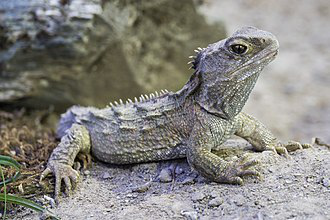
Overview:Tuataras are one of the coolest reptiles. This is because they evolved so separately from reptiles. They are the only extant (not extinct) species in their taxonomical order today. This makes them very unique. They are native to New Zealand. They grow to about 20 to 31 inches (50 to 80 centimeters) in length. They are uniquely suited to their environment. On the outside, tuataras have not evolved much over 200 million years because of how suited they already are for their environment. Because of this, they are often called 'living fossils'. On the inside through, they have gone through a lot of molecular evolution, this changes is just on a microscopic level so we cannot see it, but they have changes a lot! Tuatara females often take 20 years to mature, and they often lays eggs every 7 years. Tuataras also have a long lifespan with sometimes 100 years in captivity. Around 60 in the wild.
Learn More Here (Page 14)
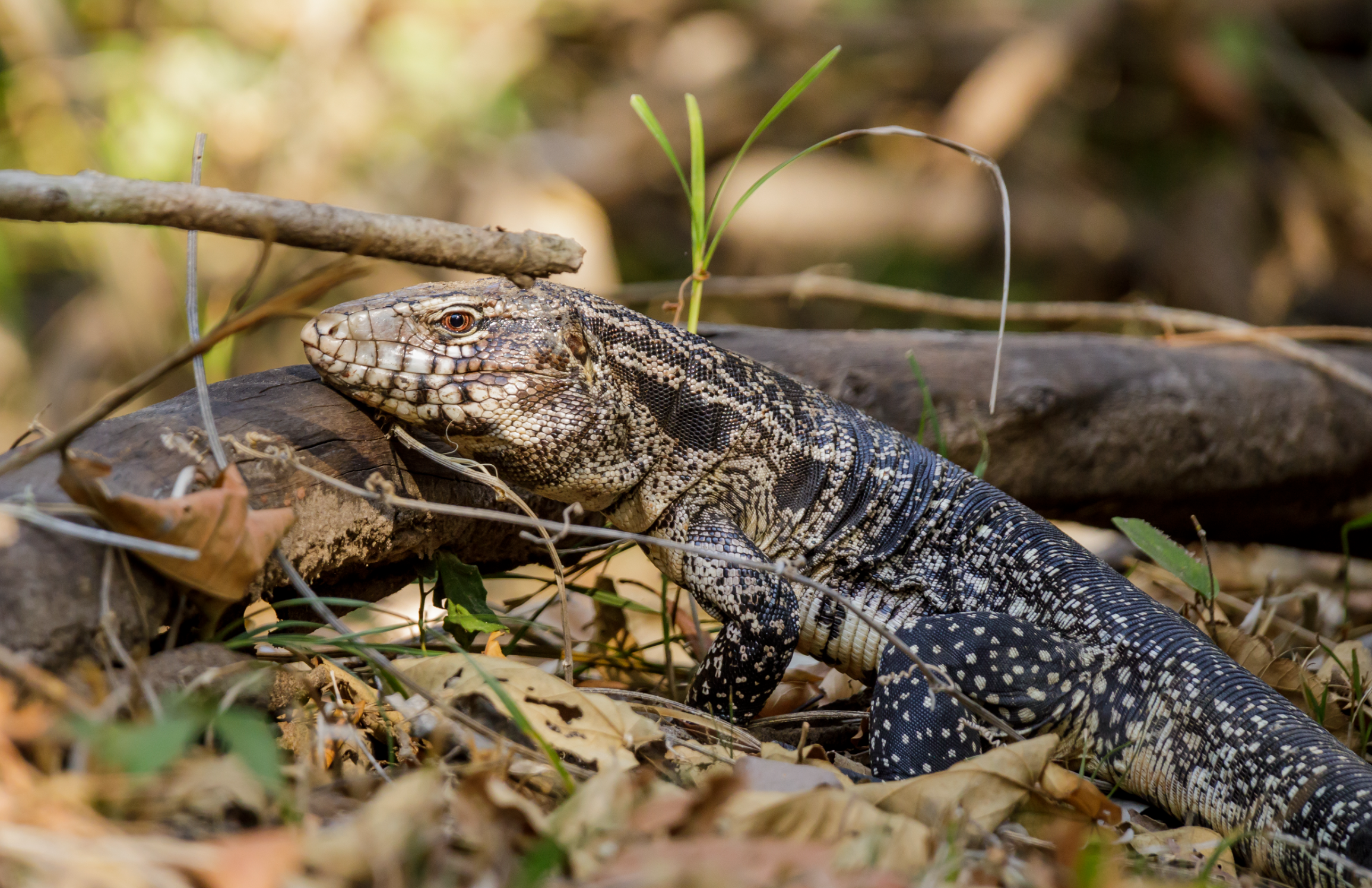
Overview: The Argentine Black and White Tegu is native to Argentina, and invasive in Florida. they thrive in subtropical environments. These are cousins to the monitor. Tegus sheds their skin in one complete shed about twice a year. The Argentine Black and White Tegus are omnivores and eat various foods in the wild, including insects, fruits, vegetables, small mammals, and birds. Tegus can weigh up to 25 pounds and grow to 2.5 - 4 ft long.
Learn More Here (Page 1)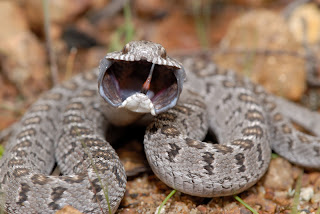
Overview: African Egg Eating snakes are unique and well known because of their unique diet. Many people want to keep egg eating snakes because of this reason, and many sellers will spread misinformation and make it seem easier to care for them than it actually is. Also they are usually wild-caught. This makes them likely to die of stress even if you do care the the animal correctly, They also can have bad temperaments because of this. They live generally from 15 to 20 years. They grow to around 12-40in or 30.5-102cm.
Learn More Here (Page 15)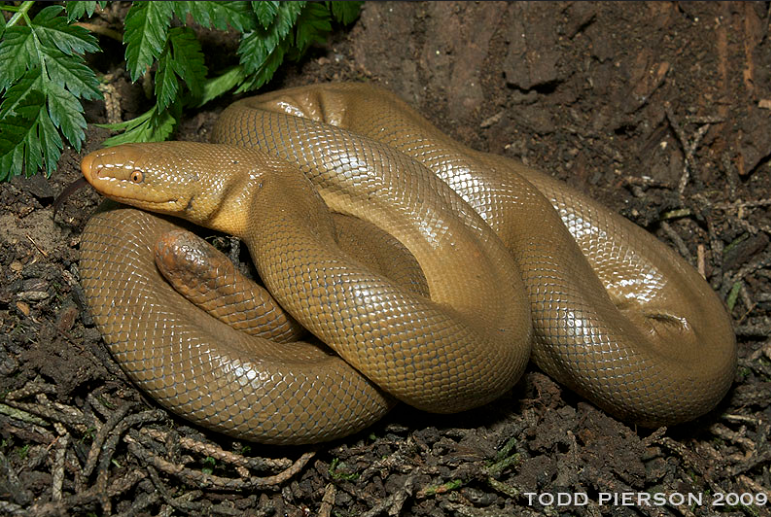
Overview: The rubber boa, also known as the Coastal Rubber Boa is semi-fossorial snake. this means they live mostly underground. This makes them much harder to find. They grow to about 35 - 84 cm. They are native to North America.They are also nocturnal. Nocturnal animals can be identified by looking at their vertical pupils.
Learn More Here (Page 16)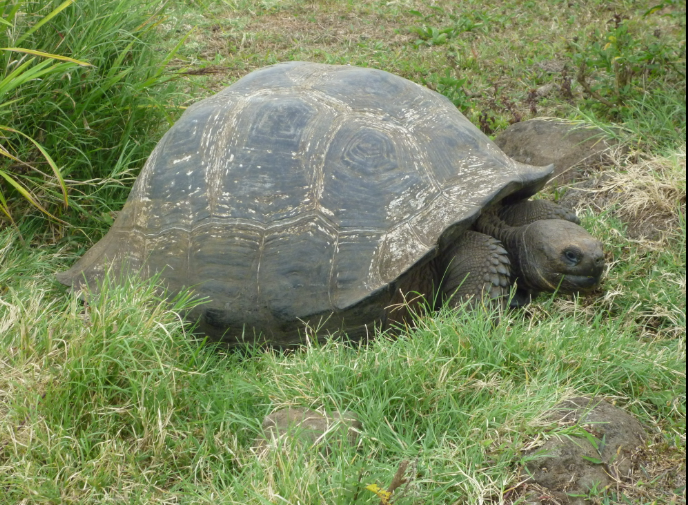
Overview: Male Galapagos Tortoises are about 6 ft from head to tail, and weight about 500 pounds on average! Females are smaller and grow to the average of 250 pounds.They are actually found in groups called a 'creep'. They live in a hierarchy based on the highest a tortoise can stretch it's head. This is also how males compete for a female.
Learn More Here (Page 17)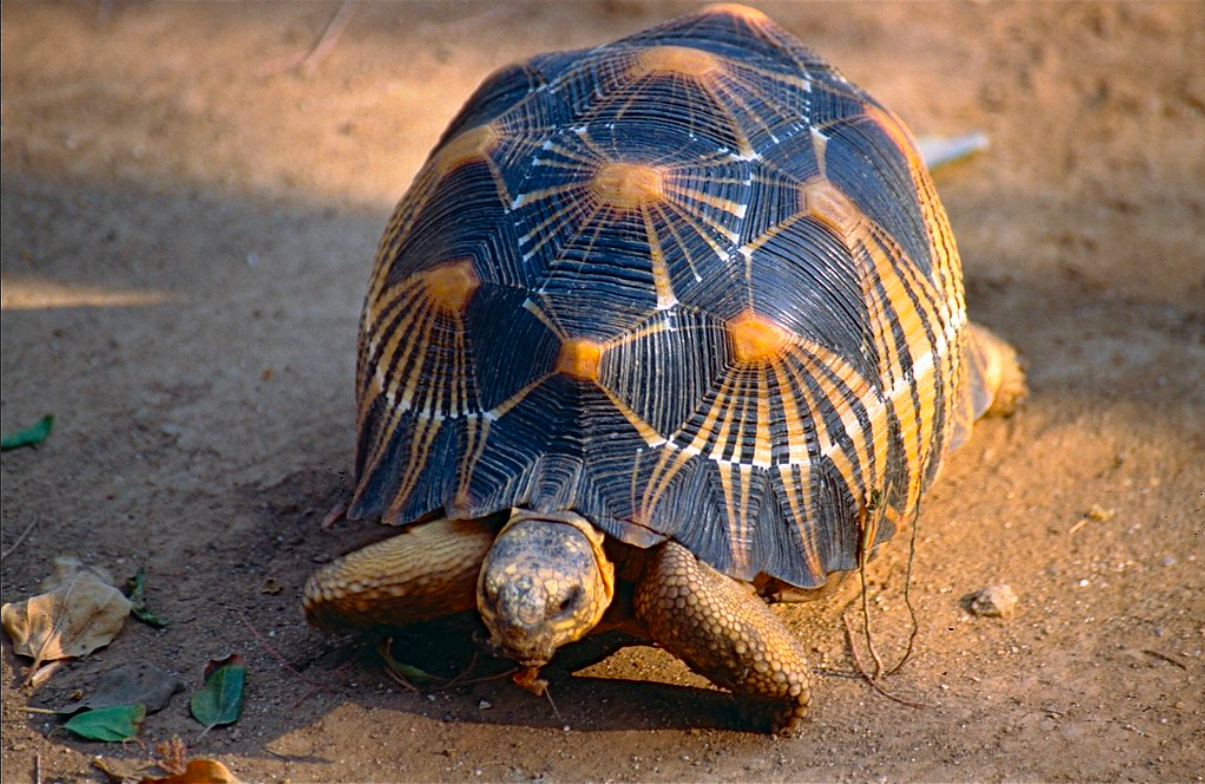
Overview:The radiated tortoise is native to the southern part of Madagascar. They are protected but it is hard to enforce because of the changing government in Madagascar. They are believed by some to provide medicinal properties with their shell. They grow slowly and can live from 50-100 years. There is a radiated tortoise who lived to 150 years. They weigh on average up to 35 pounds (16 kg). Their shells grow to 16 inches or 15.3 cm in length. These animals are very communal and can be found living together in their native range.
Learn More Here (Page 18)
Overview: Male Galapagos Tortoises are about 6 ft from head to tail, and weight about 500 pounds on average! Females are smaller and grow to the average of 250 pounds.They are actually found in groups called a 'creep'. They live in a hierarchy based on the highest a tortoise can stretch it's head. This is also how males compete for a female.
Learn More Here (Page 19)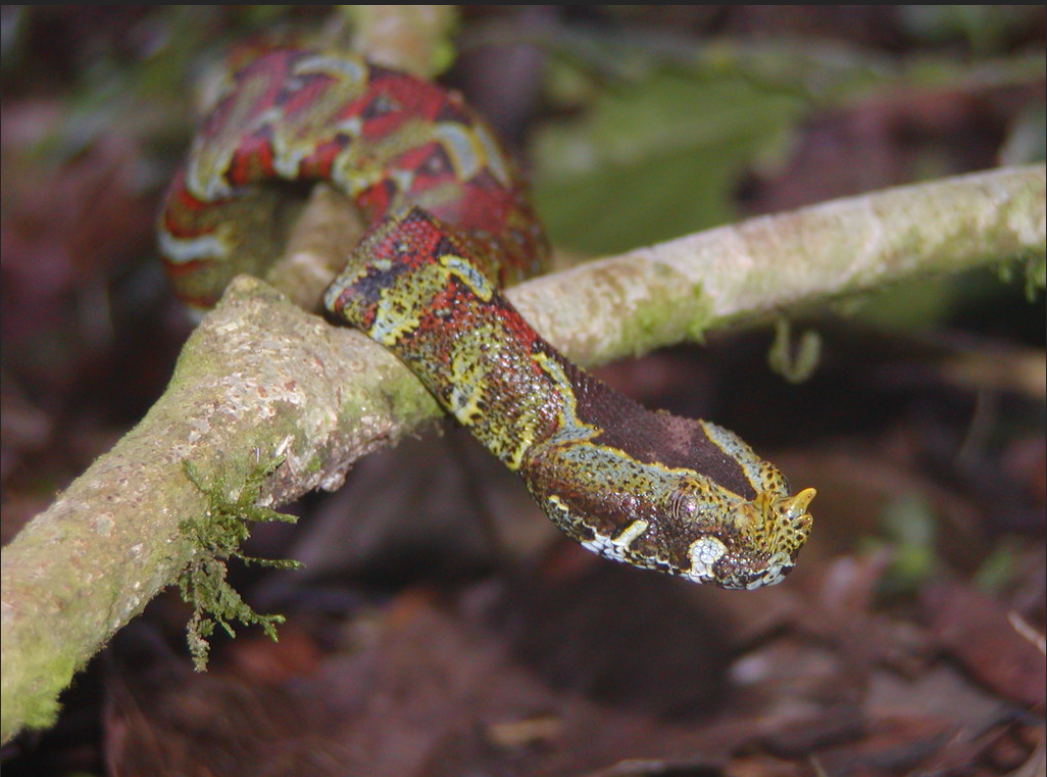
Overview:Rhinoceros vipers are known for their extremely bright colors. They are a mix of red, yellow, black, and blue, as well as the rhinoceros horns pictured below. They grow to 119 cm or 47 cm in length. They grow to weigh 717 grams. This shows they are a more medium sized snake with stout body as opposed to thin.
Learn More Here (Page 20)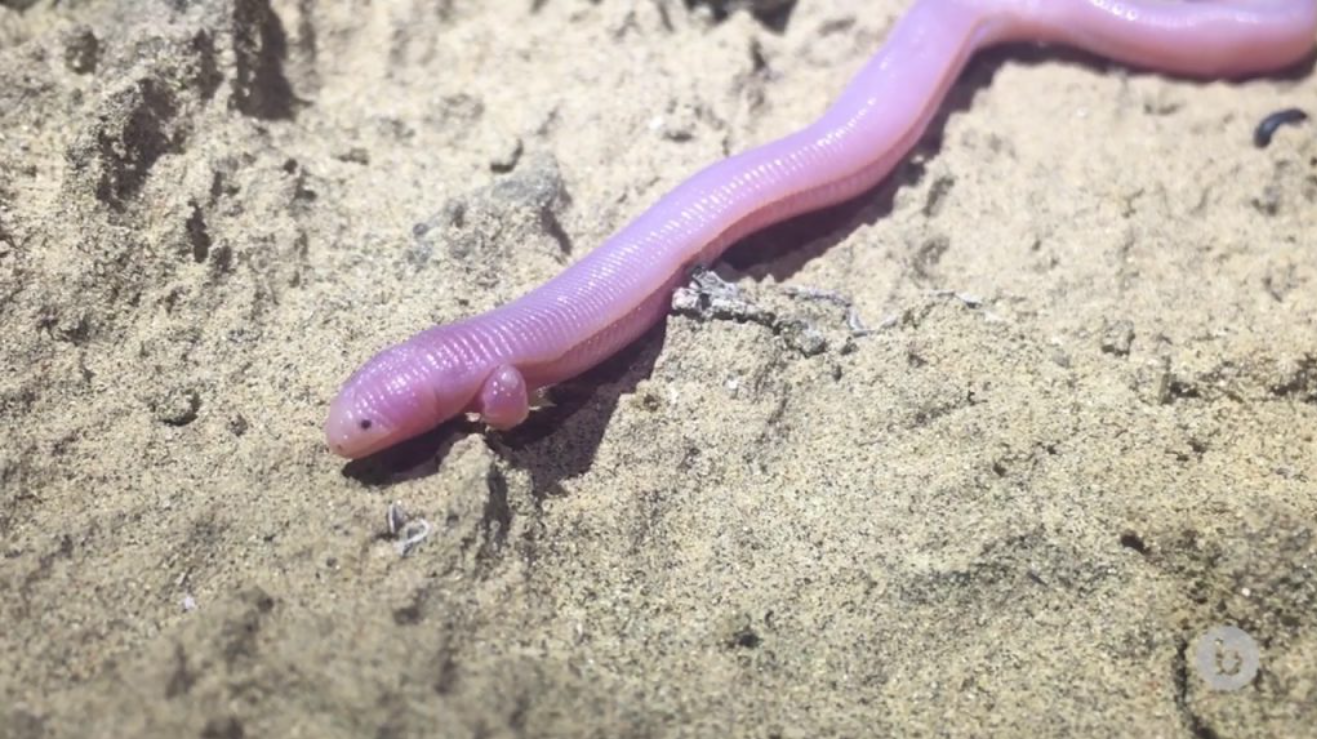
Overview:Mexican Mole Lizards are native to Mexico. They are a fossorial or burrowing species. Their average life span is 1-2 years. They also grow to 18-24cm. Their scales look a worm-colored pink across their whole body.
Learn More Here (Page 21)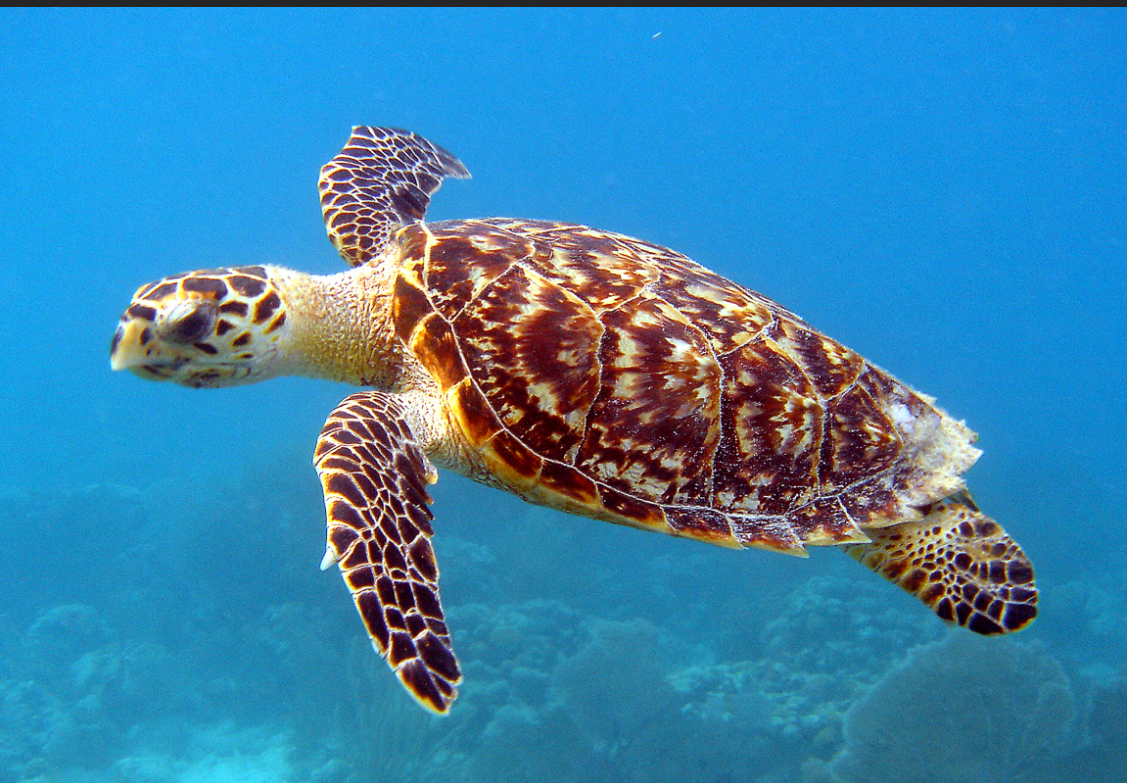
Overview:Hawksbill sea turtles are critically endangered because of the poaching and trade for their shells. They are now protected, but unfortunately the poaching continues. These are large seat turtles that grow to 2.5 to 3 ft (71 – 89 cm) in length, and 101 and 154 pounds (46 – 70 kg) in weight. These turtles live 80+ years and take around 40 years to reach maturity. For the first 5 years of their life they live in deeper waters before moving to their preferred shallow coral reef environments.
Learn More Here (Page 22)Lizards
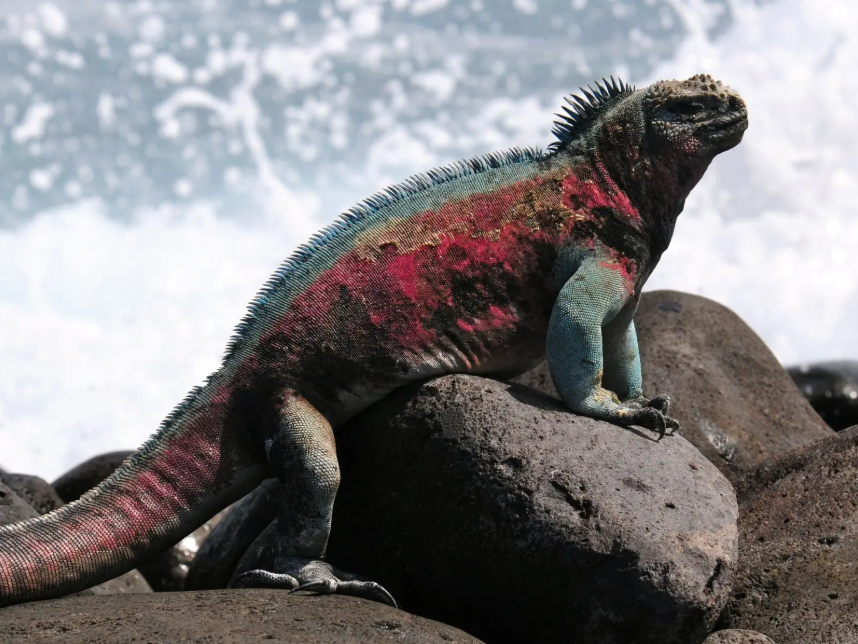
Overview:The Marine Iguana or Galápagos Marine Iguana is native to the Galápagos Islands outside of South America. They are the only species of lizard that forages underwater for food (algae). Adults grow to a length of 35cm (14in). They weight from 0.5-1.5kg.
Learn More Here (Page 23)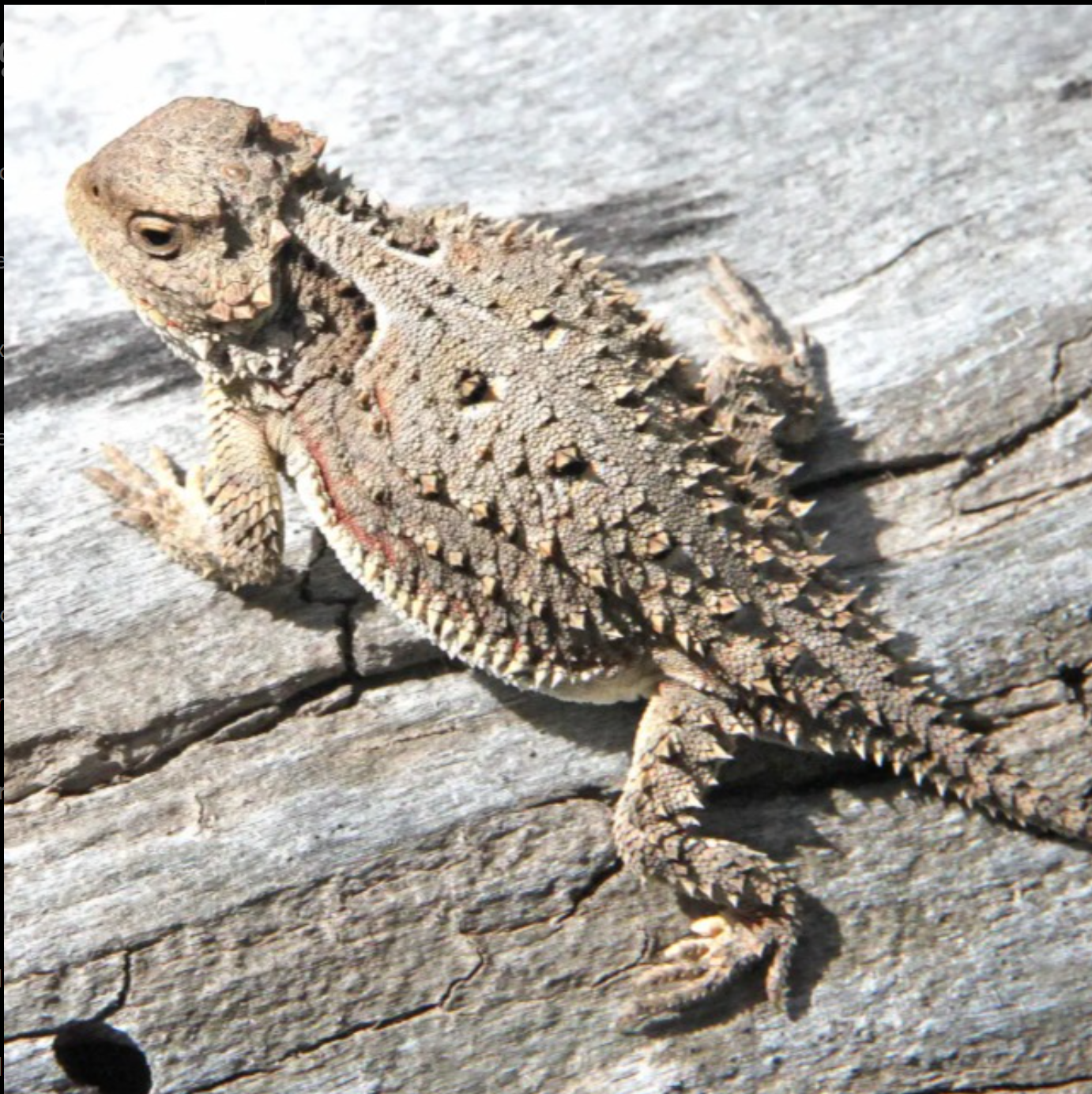
Overview:This reptile has good camouflage to blend into their desert environment, and are spiny all over, including horn-like spines on their heads. they are native to western North America and South America. They primarily live in grasslands.They are most active during the evening and night.
Learn More Here (Page 24)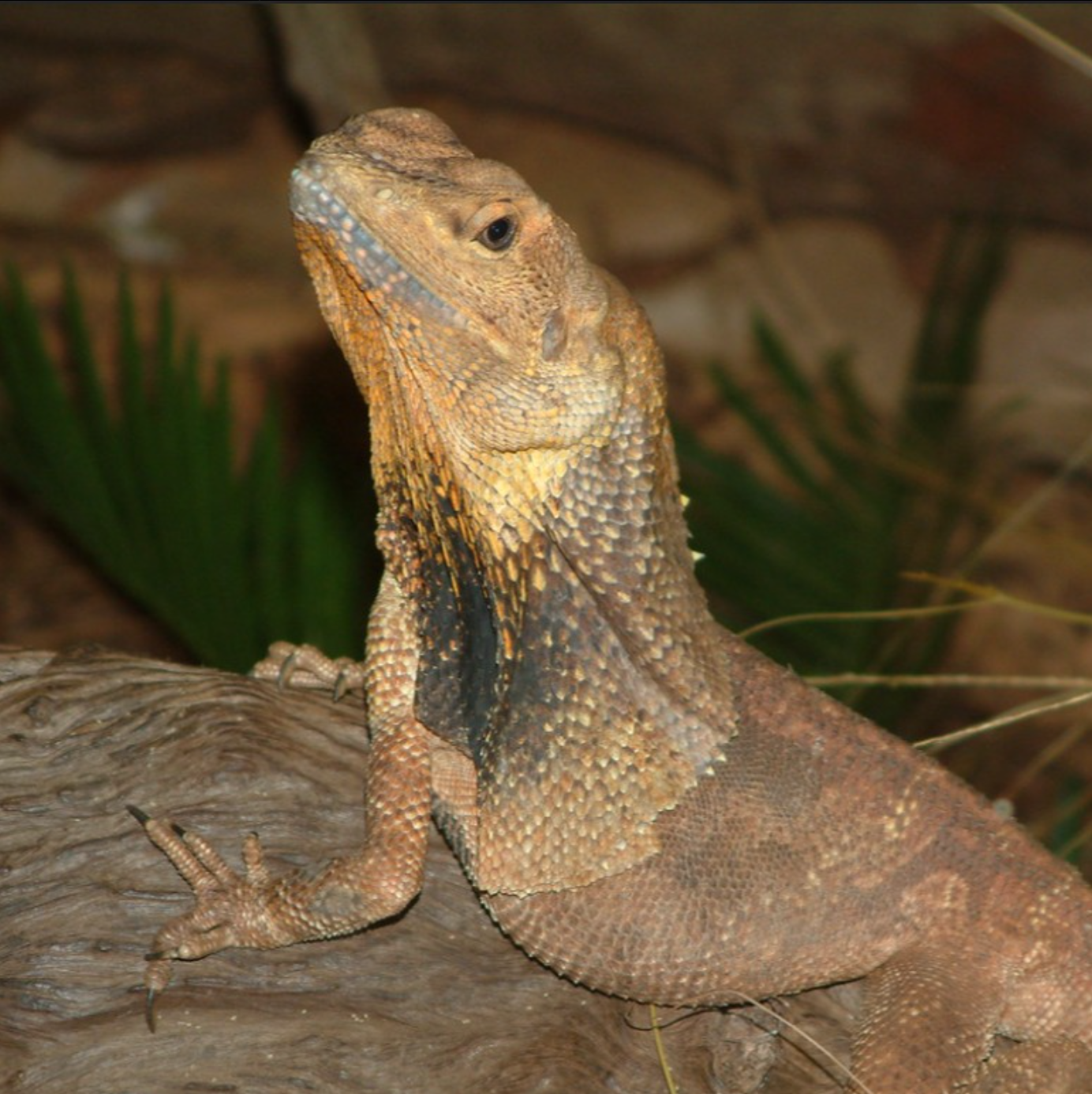
Overview:This lizard to northern parts of Australia and southern parts of New Guinea. They are know for their large frills on their neck that help them to collect heat quickly and efficiently when basking in the sun. These reptiles are classified as Least Concern in the IUCN redlist but their population are being hurt by the pet trade. They are diurnal (active during dawn and dusk). They can grow to 85cm or 33 inches long. They can grow to weight 0.5-1 Kg or 1.1-2.2 IBs. They are mainly terrestrial (living in trees) and live in a variety of tropical habitats.
Learn More Here (Page 25)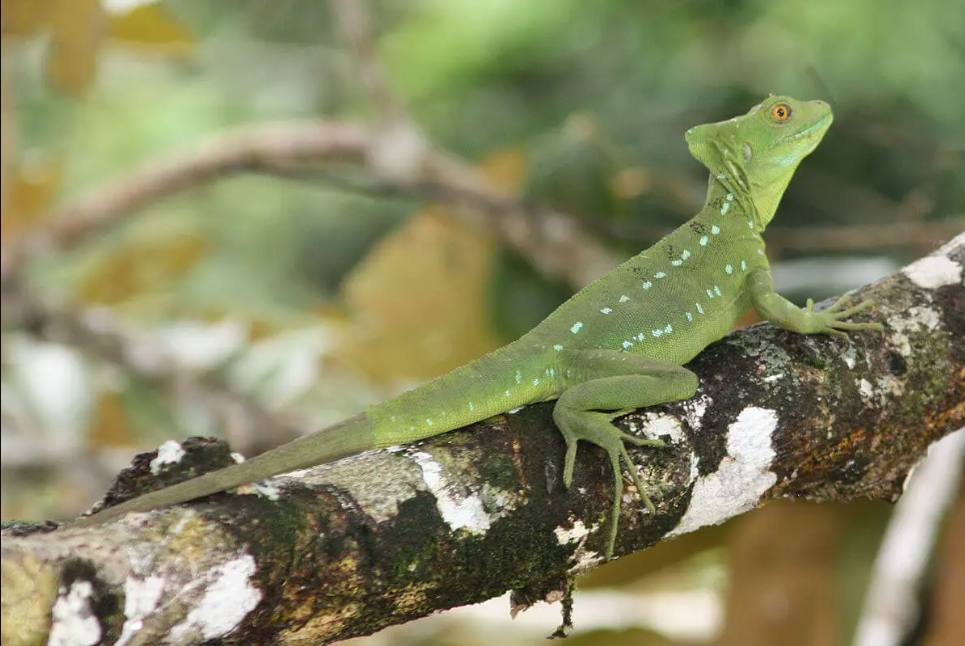
Overview:The common basilisk lizard is know for its astounding ability to run on water. This has also earned it the common name of Jesus Lizard. It is able to do with by working with surface tension. Some adaptations it uses to not break surface tension or wide webbed feet, a lightweight body (4.8-6.8 oz or 135-194 g), and speed to run over the water quickly. They can live from 5-7 years and are a diurnal species.
Learn More Here (Page 26)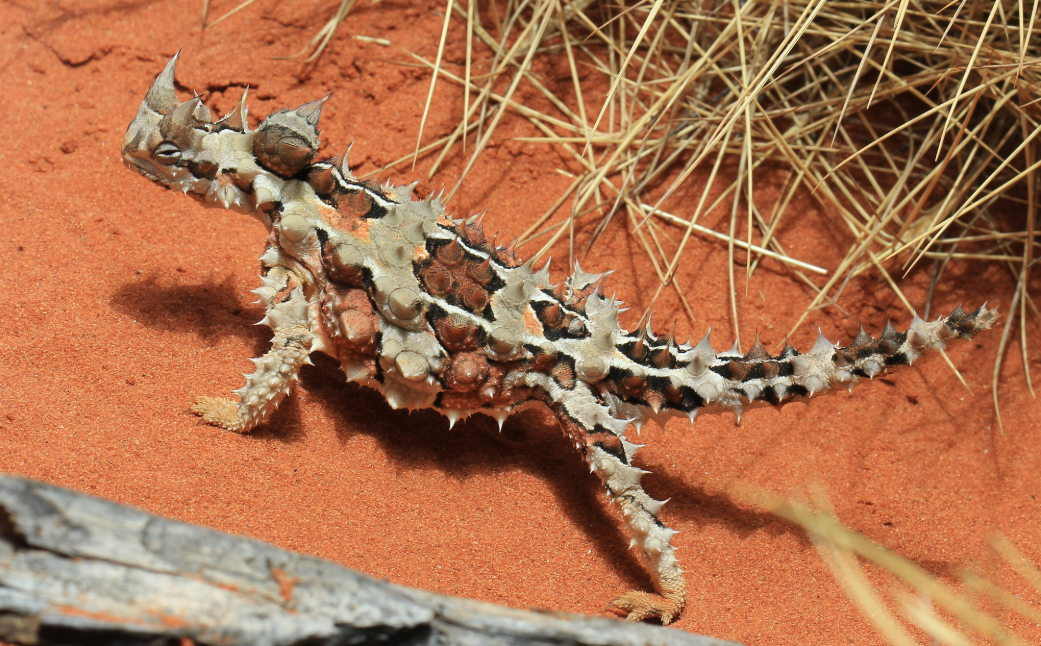
Overview: These lizards are slow ant-eaters and and grow to 8 in or 21 cm long. They weight 70-95 grams and are active during the day. They have a variety of adaptions through look and behavior that helps them collect water in their environments, blend in, and confuse predators to avoid getting eaten
Learn More Here: (Page 27)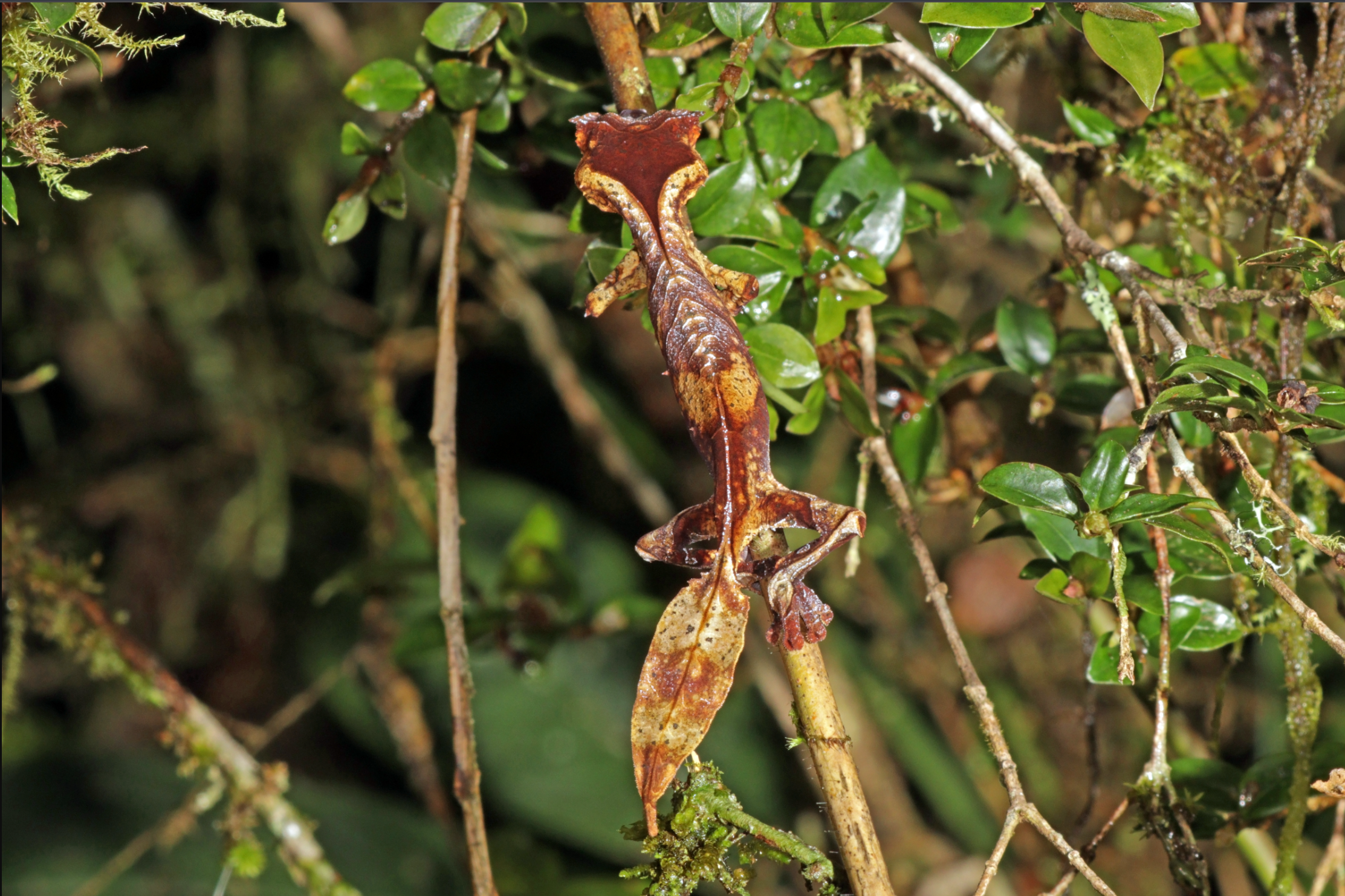
Overview: This gecko is known for its impeccable camouflage skills. It's tail is formed into a leaf on its end, earning this gecko its name. This nocturnal gecko tends to stay in trees but not more than 3 meters above the ground. These lizards are very small; they can grow to 4 inches in length and 4-6 in weight.
Learn More Here: (Page 28)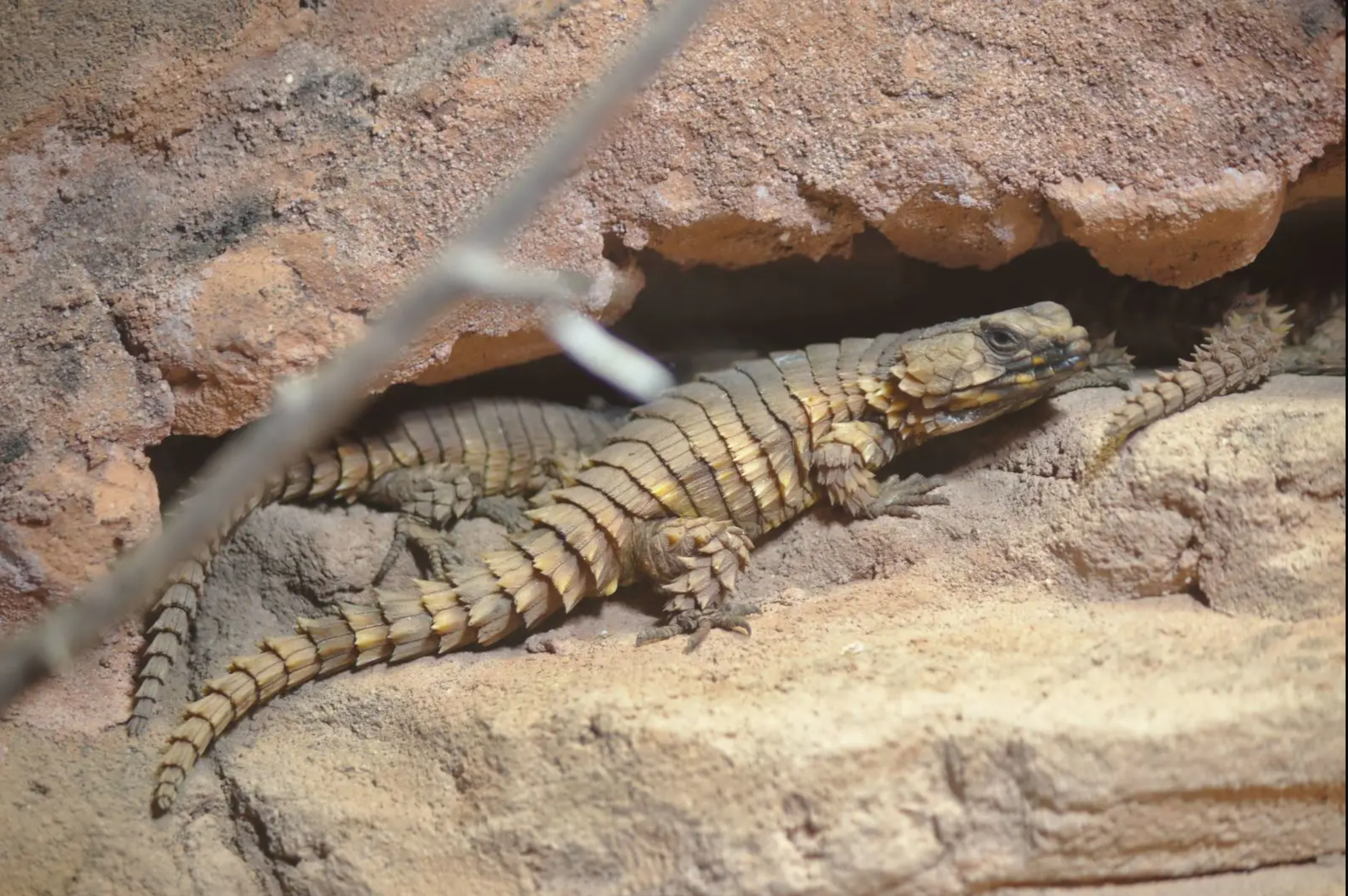
Overview: Armadillo Girdled Lizards live in Southern Africa and are protected against people taking them from their native habitat for the pet trade, though it still happens. Some Armadillo Girdled Lizards earn their name because they like to curl into a ball if they are stressed or threatened. They can grow to be 2.5–3.5 oz in weight and 3.75 inches in length. They are nocturnal and often hide under rocks or other objects during the day.
Learn More Here: (Page 29)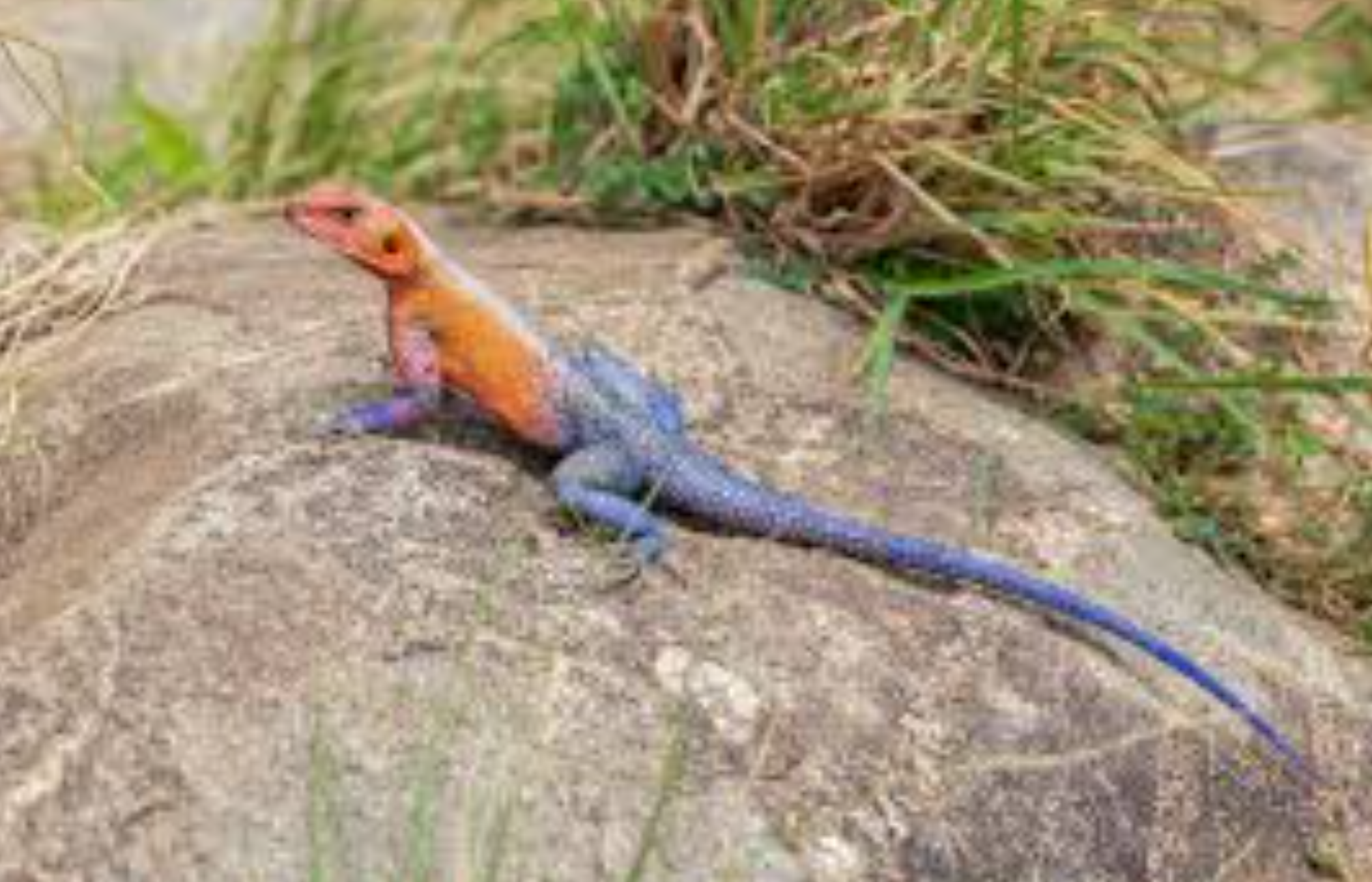
Overview: Mwanza flat-headed rock agamas (or the far more fitting name: Spiderman Lizards) are known for their bright red and blue coloration. They can live up to 25 years. They grow to 1kg (2Ibs) in weight and 12-30 cm or 5-12 in in length.
Learn More Here: (Page 30)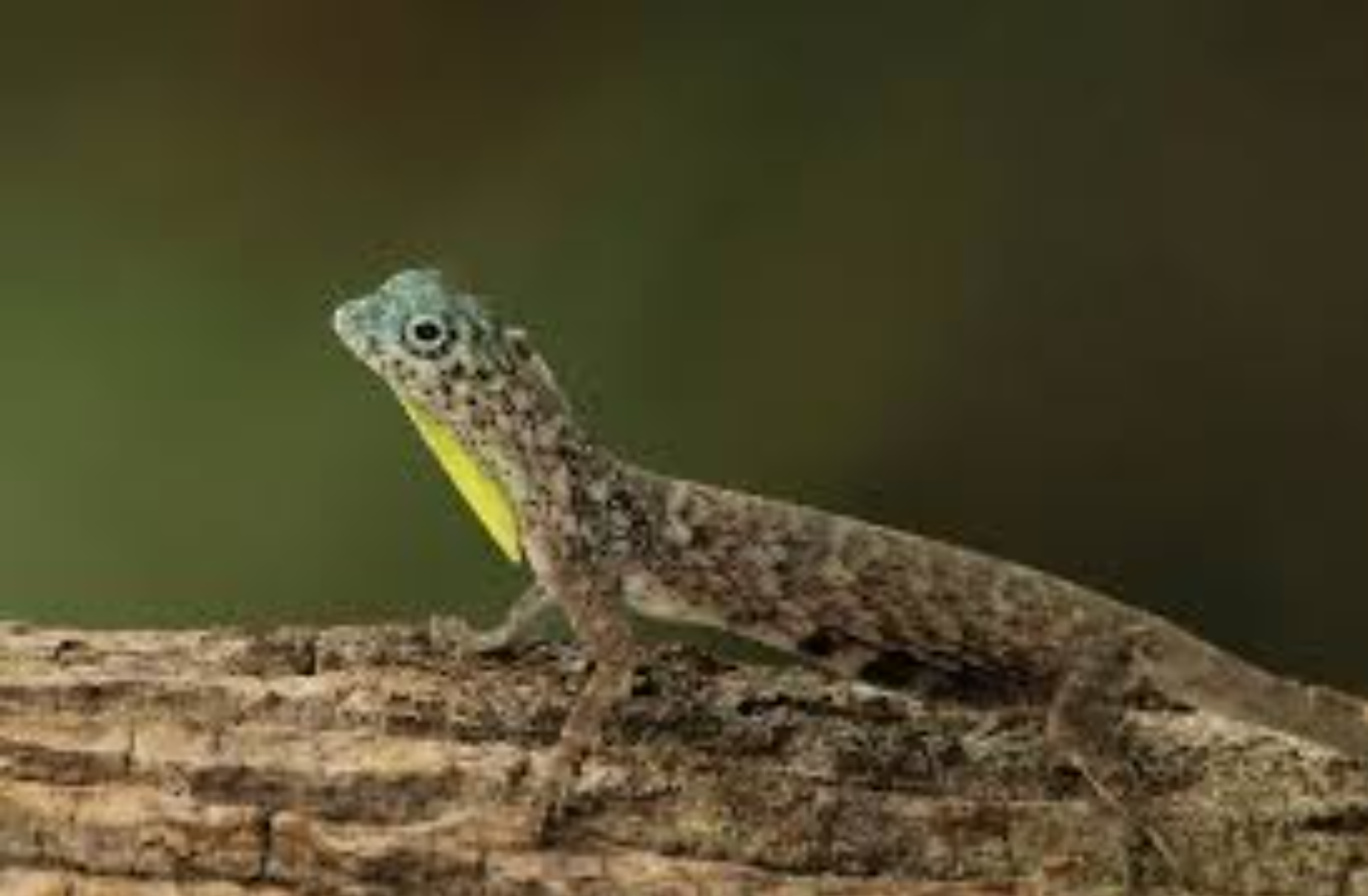
Overview: Named after their unique characteristic, Flying Dragons are able to glide half of a football field by spreading out their body into wing like skin flaps to capture and manipulate moving air like a well-designed paper airplane. These reptiles are diurnal (active during dawn and dusk) and can grow to 195mm (females) or 212mm (males).
Learn More Here: (Page 34)Crocodilians
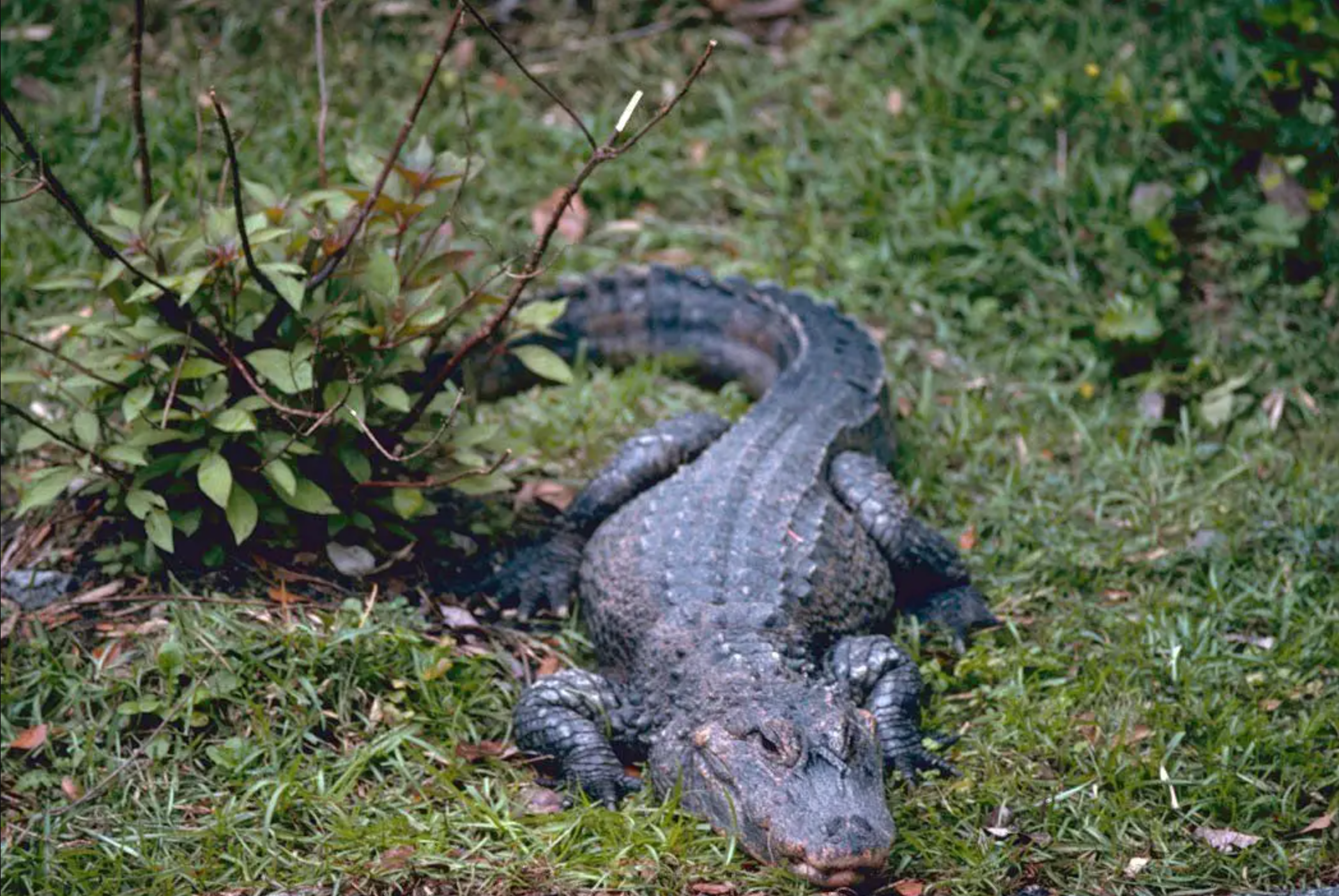
Overview: Chinese Alligators are one of the 2 only living alligator species. Their range is restricted to a small part of China. They live in freshwater and by rivers in China. Chinese alligators are carnivorous and feed on many different types of creatures, these include fish, crustaceans, snails, rodents, birds, and insects. They grow 5 - 7 feet long and up to 85 pounds as adults. The Chinese Alligator's only threat to population are humans, humans kill them and destroy their habitat. It is now illegal to harm a Chinese Alligator in China and a reserve was built for them in China.
Learn More Here: (Page 2)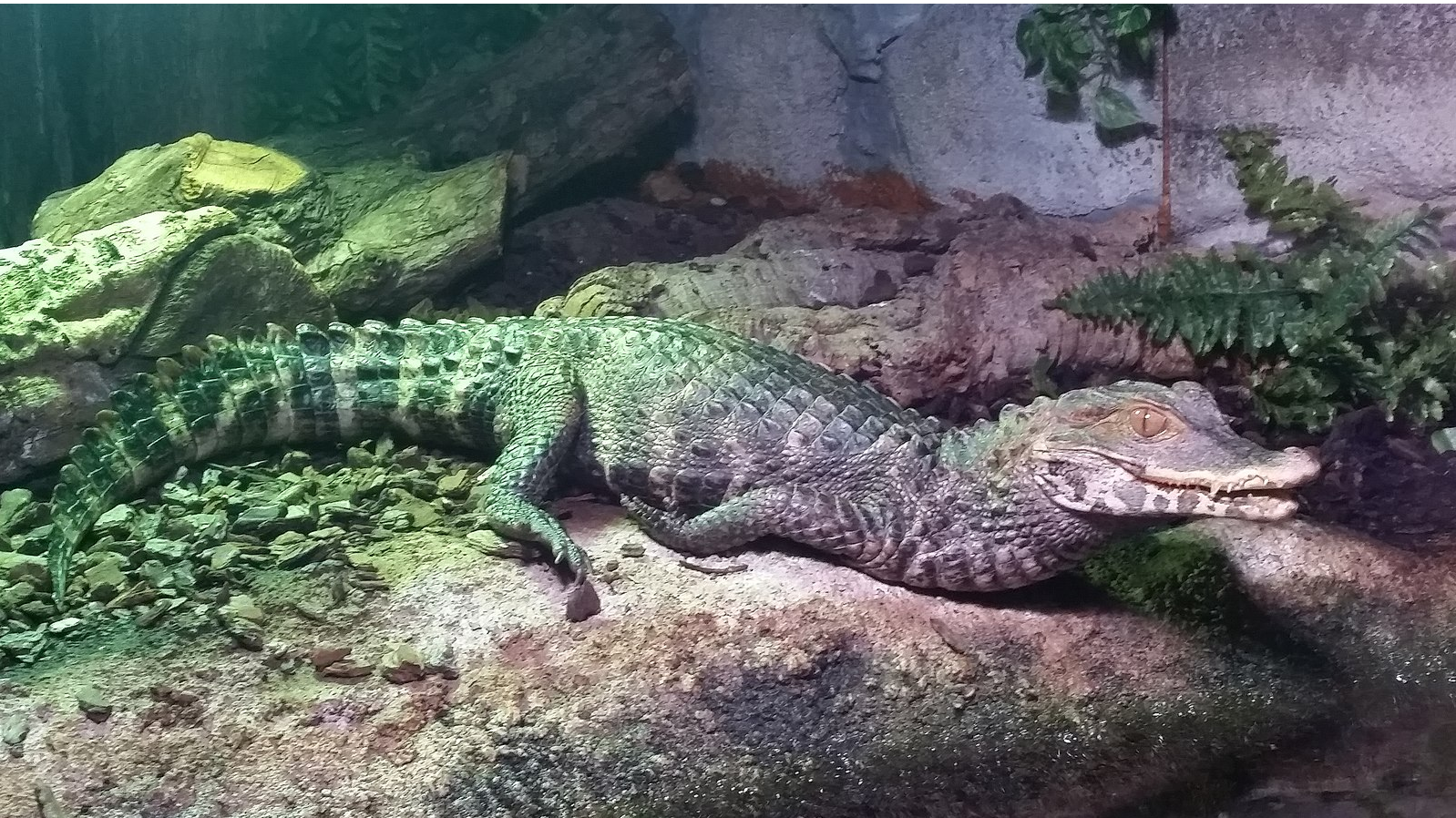
Overview: The Cuvier's Dwarf Caiman lives in South American near many varying bodies of water. They are semi-aquatic. They are equipped with heavy armoured scales, especially on their backs. Males often grow to 46 ft (1.4 m), females often grow to 3.9 ft (1.2 m). They weight an average of 13-15 Ibs (6-7 kg). Naturally, these reptile live from 20-40 years.
Learn More Here: (Page 31)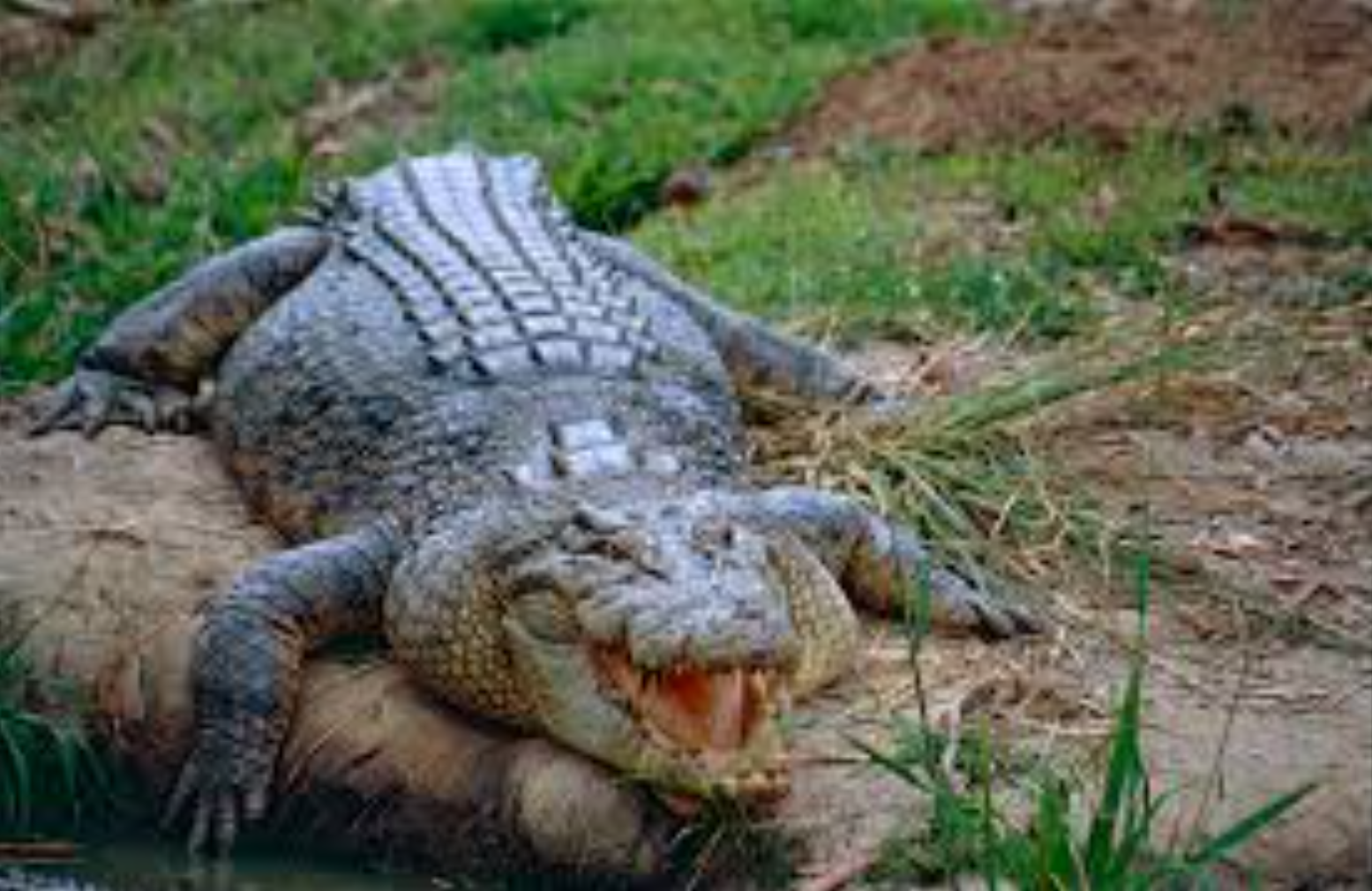
Overview: The saltwater crocodile is the largest living or extant (not extinct) reptile. They can grow up 23 ft long but grow 11-19ft long. Due to hunting, a lot of larger crocodiles are not found often in their wild. Male crocodiles are significantly larger and can grow to 2000 Ibs!
Learn More Here: (Page 32)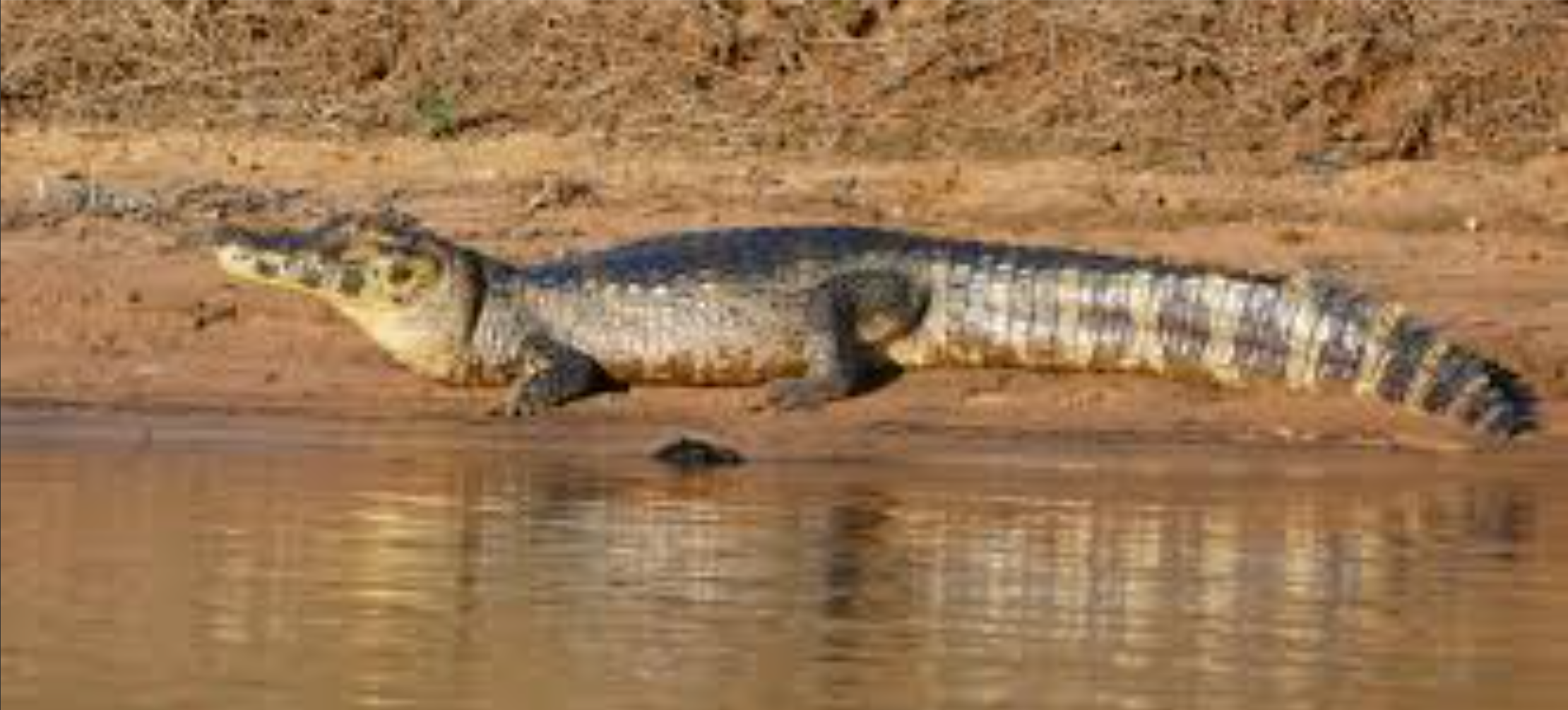
Overview: This crocodilian is unique because it is the smallest reptile in it's order. They are mainly solitary except for mating season and spend most of their time in water. They are actually better adapted for swimming then they are for on land. These reptiles are nocturnal so they are active mostly at night. They grow to 14-58 kg in weight and 2-2.5 meters in length.
Learn More Here: (Page 33)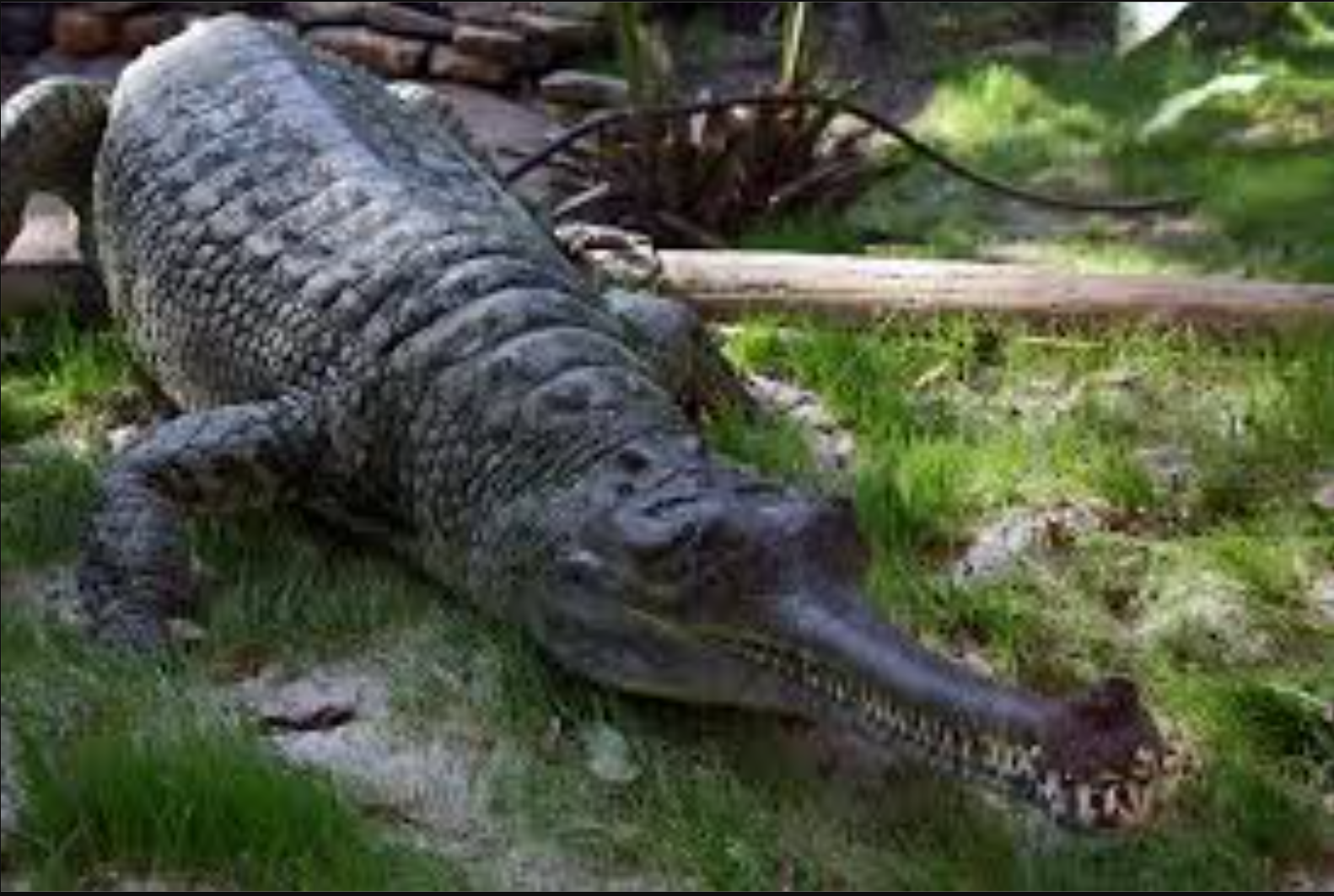
Overview: Gharials are crocodilians that are unique because of their thin elongated snout that they can use to catch prey. Their snout is the narrowest of all crocodilians. They are diurnal and piscivorous (fish-eating). They live an average of 29 years in the wild and grow to 159-250 kg / 2.7-5 meters. They have a top speed of 24kph or 15 mph.
Learn More Here: (Page 35)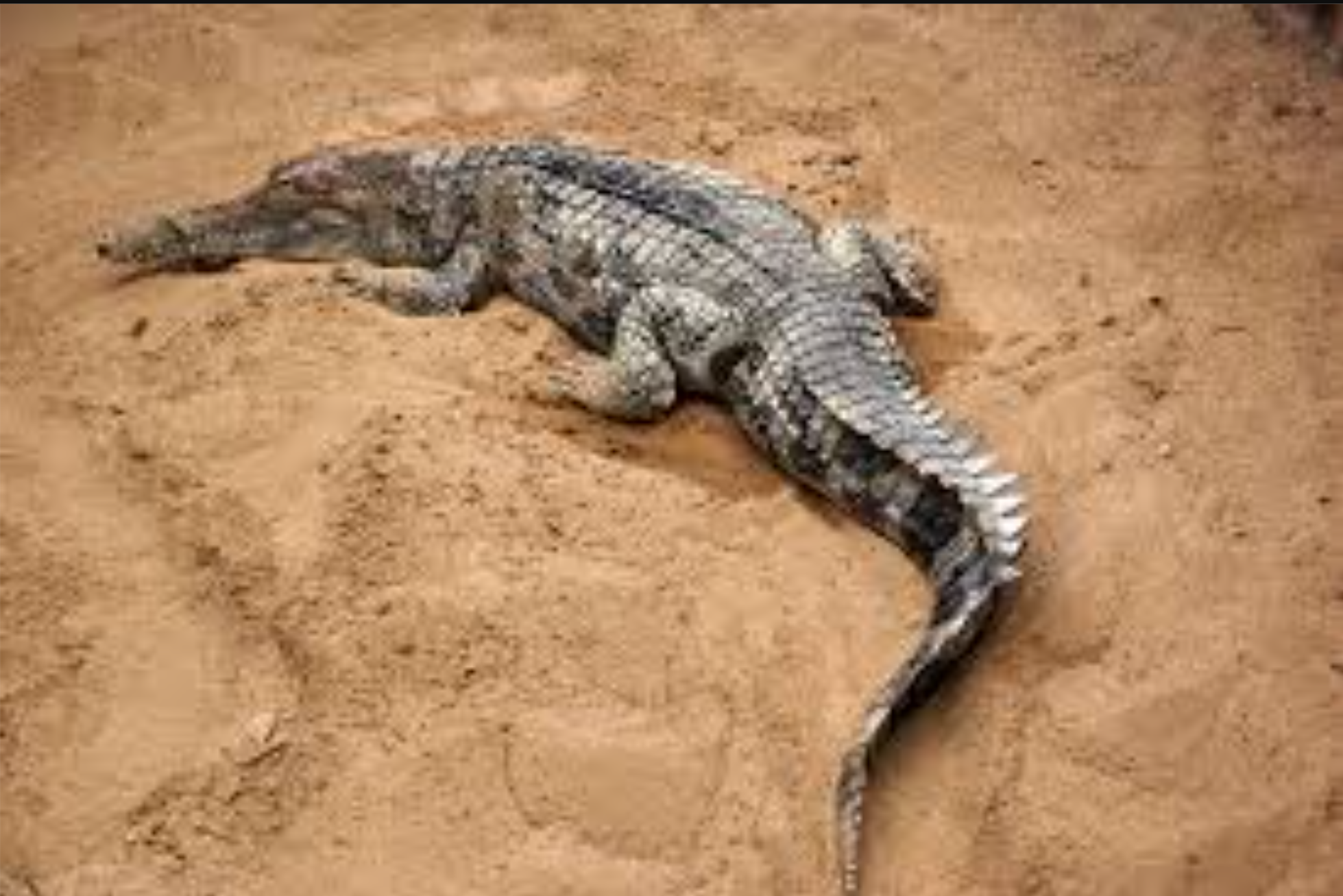
Overview: These solitary animals look very similar to gharials because of their similarly narrow snout. They are not only different species but different genus's taxonomically though. They grow to 5 meters long and 210 kg. They live 60 to 80 years and live in parts of Asia such as Indonesia and Malaysia.
Learn More Here: (Page 36)Unfurtunately, The Turle and Snake parts of the countdowns are canceled. I am but a human and these countdowns are a TON of work. Here is my list of reptiles that I would have finished this with in case you want to research on your own time.
Crocodilians
- Gabon’s orange crocodiles
- Heavy-built horned crocodiles (Voay robustus)
- West African Crocodile
- Cuban crocodile
Turtles
- Mata Mata Turtle
- Alligator Snapping Turtle
- Mary River Turtle
- Roti Island Snake-Necked Turtle
- Big Headed Turtle
- Indian Flap Shell Turtle
- Spiny Turtle
- All Softshell Turtles
- Geometric Tortoise
- Pig-nosed turtle
Snakes
- Dragon Snake (Xenodermus javanicus)
- Spider-Tailed Viper
- Flying Snakes
- Desert Horned Viper
- Malagasy leaf-nosed snake
- Spiny bush viper
- Tentacled snake
- Sidewinder rattlesnake
- Vine Snakes
- Hognose Snakes